29 December 2025
Meta will pay 100 percent for it Entergy turbines, but rule changes would only require major power users to cover half the cost
By Wesley Muller
Contributing Writer
(lailluminator.com) — Louisiana regulators have adopted a new rule that suspends certain consumer protections if utility companies need to quickly build power plants for certain industrial developments, including data centers, that require massive amounts of electricity.
The rule change also directs these large-scale customers to pay for half the cost of these new power plants, meaning regular ratepayers could be on the hook for the remaining cost.
In a 4-1 vote on December 17, the Louisiana Public Service Commission adopted the rule, which creates a streamlined approval process that would drastically reduce the time it takes to greenlight utility projects primarily geared toward data centers. The lone dissenting vote came from Commissioner Davante Lewis, D-Baton Rouge, who expressed concerns that the proposal could hurt consumers. Lewis has argued that the commission should focus on making energy less expensive for household customers rather than the wealthiest companies in the world, like Meta, the parent company of Facebook and Instagram that is building the world’s largest artificial intelligence data center in Northeast Louisiana.
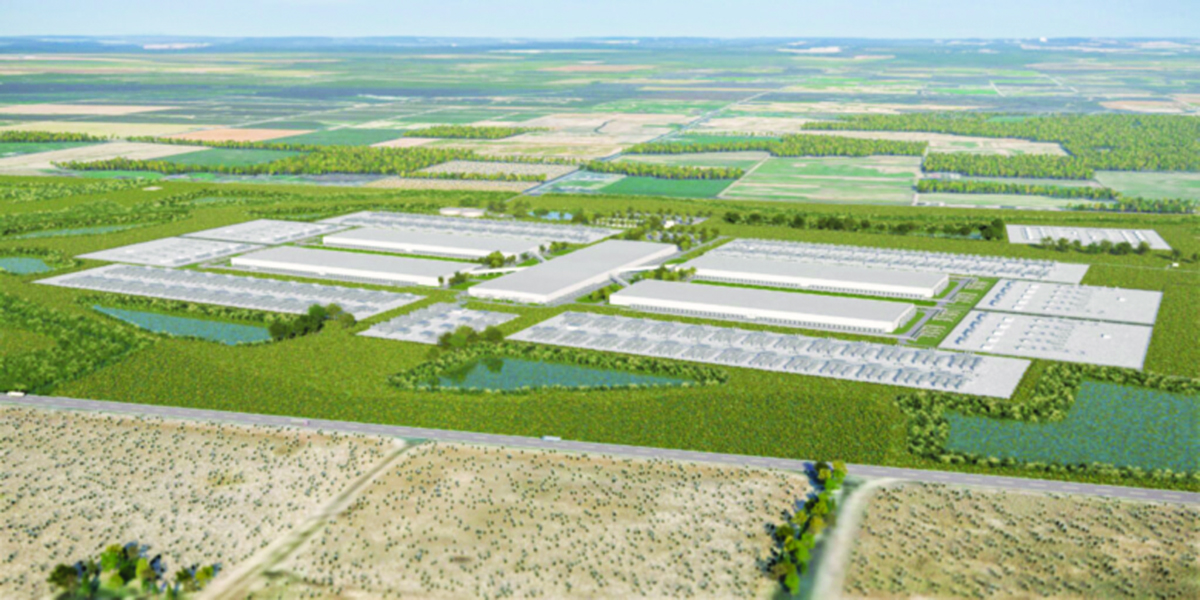
Commissioner Jean-Paul Coussan, R-Lafayette, authored the directive in step with Gov. Jeff Landry’s economic development agenda of courting big businesses with state government grants, tax breaks, expedited permitting and industry-friendly regulations.
Coussan said his directive creates a “lightning speed” path for certain power plant proposals brought before the Public Service Commission, echoing the title of Landry’s Sept. 16 executive order to fast-track state agency permitting. In a phone interview Thursday, he said it lets the commission more easily replicate the quick approval process it used for Entergy Louisiana’s construction of a power plant with three natural gas-powered turbines to run the massive data center Meta is building in Richland Parish, which the commission signed off on in August.
The commission’s vote suspends the competitive bidding requirement that’s meant to ensure ratepayers get the best deal available on new power plants. Generally, competitive bidding requires multiple contractors to submit estimates of what it would cost them to complete the job. The estimates are then published and voted on at an open meeting.
Government entities opt for open bidding on most public works contracts to make the process transparent, avoid conflicts of interest and help ensure qualified contractors are hired.
The new Public Service Commission rules still require approvals at open meetings, though there would be no need to accept multiple bids.
Coussan said the commissioners would still act as a backstop on any proposals that seem overpriced. Any utility using the “lightning speed” avenue must still demonstrate that the proposal is using the “lowest reasonable cost,” he said.
“This could cut our regulatory process down from, say, two years down to eight months,” Coussan said. “This is not a rule in place that can be exploited.”
He referenced the recently truncated timeline in which the commission waived its normal rules in special consideration of Meta’s needs. The commission approved construction of the Entergy power plant for its Northeast Louisiana facility in August despite intense public opposition to the shortened eight-month timeline, considered very fast in the energy regulatory sphere.
The three gas turbines that Entergy is building for Meta’s AI data center will have the capacity to generate 2,200 megawatts of electricity, more than twice what the entire city of New Orleans uses during peak demand hours. Electricity from the power plants is dedicated specifically to Meta’s data center, though it will be connected to the larger electric grid and could, if needed, sell power to other customers.
Because of this setup, Meta agreed to pay 100 percent of the cost for all three turbines that would have otherwise been added to the monthly bills of Entergy Louisiana customers.
Critics of Coussan’s directive include the Louisiana Energy Users Group, a trade coalition of 26 large industrial and petrochemical companies. The group’s attorney, Randy Young, said at the recent meeting that allowing companies with large power needs to cover only half the cost of new power plants is too lenient and places other ratepayers at risk of having to pay for the remaining cost even if they aren’t using the power plants.
“If you need new generation and you wanna waive the [competitive bidding] requirement, commit to paying the full cost of whatever generation you need – not just half of it,” Young told the commission.
Utility companies will only be able to use the commission’s new lightning approval track for projects with forecasted electricity demand that is beyond the utility’s capacity unless the proposed power plants are built. The rule also requires the utility to have a 15-year contract in place to sell the electricity to its new customer, up from the 10 years Coussan initially proposed. He agreed to the change to assuage some of the concerns of critics who said ratepayers would have to bear the electricity costs if the contract isn’t renewed.
Logan Burke, executive director of the Alliance for Affordable Energy, said the Public Service Commission has long guaranteed utility companies the right to earn an annual profit on their investments, meaning they make money on new power plants and other additions to their infrastructure by passing along the cost to ratepayers. The previous rules are meant to protect consumers from such impacts, she said.
“Competitive bids are not meant to slow the process,” Burke testified. “They are made to ensure we are all getting the most reasonable deal for every ratepayer dollar.”
Coussan said expediting power plant approvals is meant to spur economic growth and bring new jobs to the people of Louisiana.
The Meta data center is expected to create about 500 direct jobs.
“I’m trying to create jobs and create a positive national perception of Louisiana for business,” Coussan said. “We have cheap and abundant energy sources like natural gas and the workers to deliver it.”
The Public Service Commission can only approve use of the new rule with a written endorsement from the Louisiana Economic Development agency that verifies the project’s power needs. It requires utilities to give the commission a 60 days advanced notice if they intend to pursue expedited approval, and the commission has to take a final vote on the proposal within eight months.
Young, the Louisiana Energy Users Group lawyer, asked commissioners to consider more flexible criteria that would allow fast-tracking approvals on a case-by-case basis. Lewis proposed an alternative that he said would provide a similar level of flexibility to balance expedited approvals with consumer protections, but it was sidelined indefinitely after his colleagues heard and approved Coussan’s.
An eight-month timeline to approve a power plant for a data center stands in contrast to the four-year delay and regulatory hurdles the commission placed on Young’s group when they made a similar request for new energy. Young asked commissioners in June 2024 to let his members buy solar energy from an independent, non-utility company. At that time, the group’s members had been waiting over four years for the commission to vote on the request, which most of the state’s utility companies had opposed.
The commission gave Young its approval but with several big caveats – the group is only allowed to buy a maximum of 500 megawatts and the electricity must be transmitted through a utility’s power lines, letting the utility companies approve or deny the third-party agreements and ensuring they still get a cut of the electricity sales.
This article originally published in the December 29, 2025 print edition of The Louisiana Weekly newspaper.